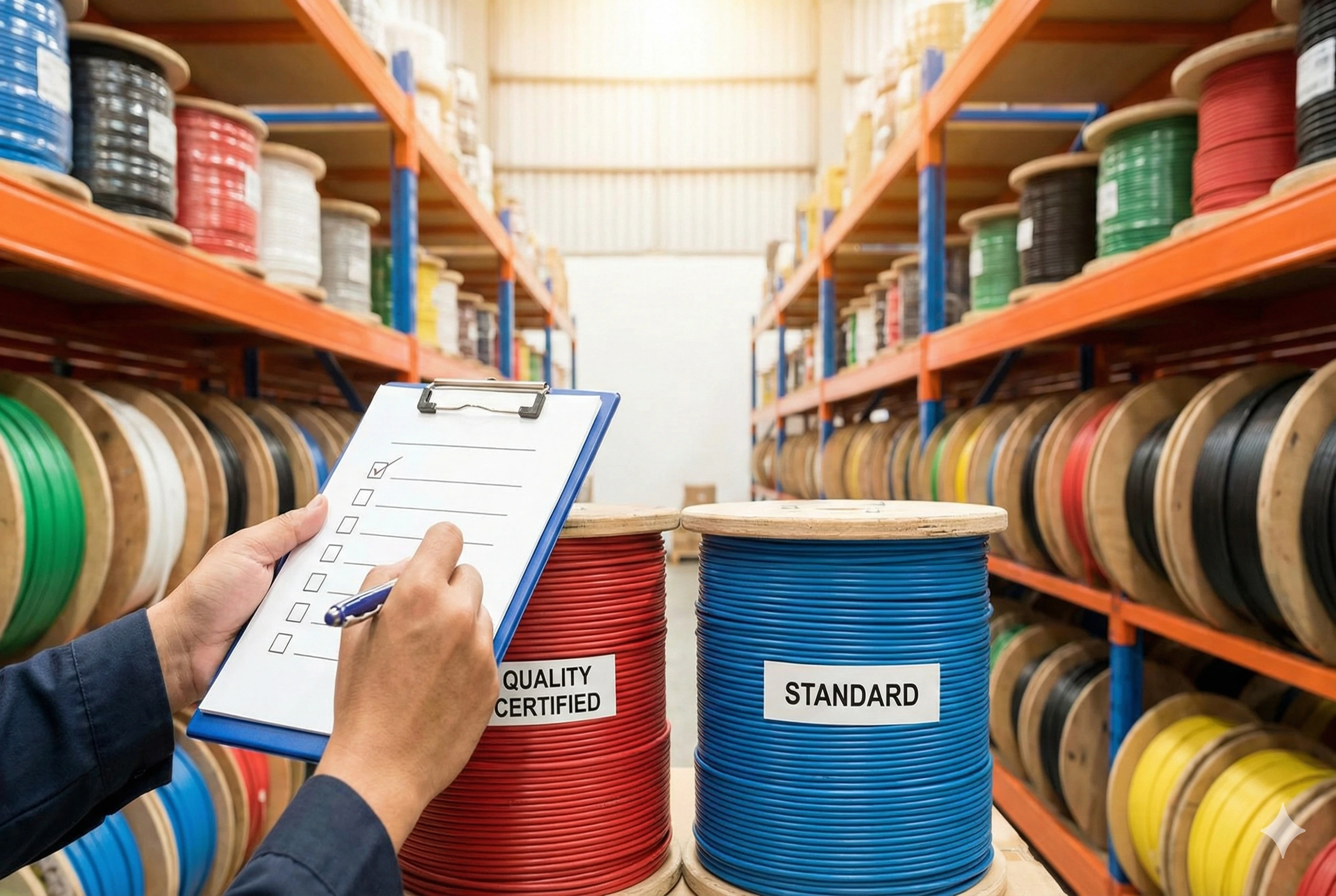
When it comes to electrical safety and performance in your home, choosing the right type of wire is essential. Wires in a household system not only carry electricity to lights and appliances but also help protect your property from hazards such as short circuits and electrical fires. As a trusted leader in wire and cable manufacturing, Earthcab brings you an easy-to-understand guide to the most common types of household wires to help you make informed decisions that ensure safety, reliability, and efficiency.
1. PVC Insulated Wires – The Most Common Choice
PVC insulated wires are among the most widely used wires in residential wiring. They consist of a copper conductor covered with polyvinyl chloride (PVC) insulation, which makes them resistant to moisture, heat, and corrosion.
Key Features:
- Excellent insulation quality
- Fire-resistant and flame retardant
- Affordable and easy to install
Typical Uses:
- Light fixtures
- Wall sockets
- General household wiring
PVC insulated wires are the go-to option for areas where moisture or humidity is a concern. Whether you are installing new sockets or rewiring a room, these wires provide an excellent balance between safety and affordability.
2. Armoured Cables – Extra Protection for Critical Applications
Armoured cables (commonly known as FRLS cables with steel wire armour) have an additional protective layer that protects the conductor from mechanical damage.
Key Features:
- Strong metallic barrier for protection
- Ideal for outdoor and underground applications
- Resistant to rodents and harsh environments
Typical Uses:
- Connecting external equipment
- Wiring exposed areas
- Power circuits requiring extra protection
These are especially useful where cables might be at risk of damage due to physical stress or environmental exposure.
3. Twin Core and Single Core Wires
Household electrical systems often use twin core and single core wires, each suited to specific needs:
Twin Core Wires
- Consist of two insulated conductors
- Commonly used for lighting circuits
- Easy to install in conduit systems
Single Core Wires
- A single bare conductor with insulation
- Used in switchboards or panels
- Often preferred for controlled installations
Choosing between twin and single core wiring depends on the kind of electrical load and layout of the circuit in your home.
4. Flexible Cables for Appliances & Electronics
Flexible cables come with stranded copper conductors and flexible insulation that provide greater flexibility, making them perfect for mobile appliances and electronic devices.
Key Features:
- Greater bending capability
- Ideal for portable devices
- Reduces stress breakage
Typical Uses:
- Refrigerator wiring
- Washing machine connections
- Air conditioner power cords
Flexible cables ensure your appliances have uninterrupted power while minimizing wear and tear from movement or vibration.
5. Co-Axial Cables – For Digital TV & Broadband
While not always considered “household wiring,” co-axial cables are essential for modern homes that rely on satellite TV, cable TV, or broadband connections.
Key Features:
- Central conductor with protective shielding
- Minimizes signal loss
- Ideal for high-frequency transmissions
Typical Uses:
- Television antenna connections
- Cable TV distribution
- Broadband internet setups
If your household depends on high-quality signal transmissions, choosing the right co-axial cable is crucial for a stable and clear connection.
6. Specialty Wires – Heat-Resistant and Fire-Safe Options
In areas with strict safety requirements — like kitchens or near heating systems — heat-resistant wires are essential.
Key Features:
- Thermal insulation
- Resistant to fire and extreme temperatures
- Increased durability
Typical Uses:
- Oven and hob wiring
- Water heater connections
- Wiring near fireplaces
Investing in specialty wires improves safety and reduces the risk of electrical hazards in extreme environments.
How to Choose the Right Wire for Your Home
Selecting the correct wire type is not just about performance; it’s a matter of safety and compliance with building standards. Here are some key considerations:
- Load Requirement : Determine the electrical load to choose the correct wire gauge (thickness). Undersized wires can overheat and cause short circuits.
- Environment : Consider moisture, heat, and possible physical stress — choose insulated or armoured options accordingly.
- Compliance : Make sure wires meet national safety standards and certifications for installation in your region.
Earthcab – Trusted Wire Solutions for Every Home
At Earthcab, we understand the importance of safety and performance in your household electrical systems. As a leading wire and cable manufacturer, we supply premium quality household wiring solutions that meet strict international standards. Our range includes PVC insulated wires, armoured power cables, flexible appliance wires, and specialty cables — all engineered for durability and reliability.
By choosing the right wire type for your home, you not only improve performance but also protect your family and property from electrical risks.
Conclusion
Whether you are building a new house, renovating an old one, or simply upgrading your electrical system, knowing the different types of household wires is essential. From everyday PVC insulated wires to specialized fire-resistant cables, each type serves a specific purpose. When in doubt, consult a qualified electrician and always choose quality products from a trusted provider like Earthcab.